What are some signs that a first date might be bad
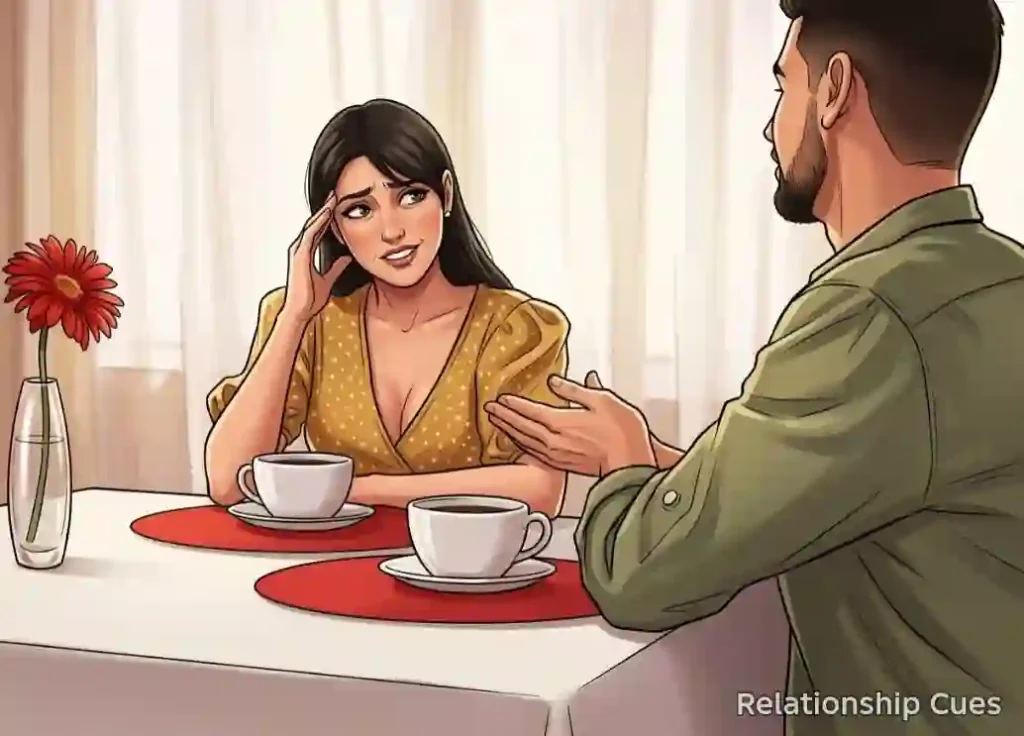
- Signs of a bad first date that are easy to wave away
- Is it a bad date or just nerves?
- Dull is one problem, disrespect is another
- Check what you replay on the way home
- “I’m going to head out” and other ways to end it well
- Where this advice has limits
- Questions people ask after a rough first date
- Should you give a second chance after a bad first date?
- How long should you stay on a date that is going badly?
- Is it a red flag if my date talks about their ex a lot?
Signs of a Bad First Date and What They Really Mean
Most bad first dates are decided early, then argued about for the rest of the night. People sit through the main course telling themselves it might improve, mostly because leaving feels rude.
The clearest signs of a bad first date have to do with how you are treated: they ignore your boundaries, talk down to staff or to you, show no curiosity about you, or leave you feeling smaller than when you arrived. Awkward silences and nerves alone prove very little.
Signs of a bad first date that are easy to wave away
Start with the first date red flags that cost you something. A date who keeps pushing after you have turned down a second drink, a different venue or a ride home is showing how they handle limits. If your no gets answered with a joke or a sulk, that is a preview of how disagreements would go.
Contempt is the next one to watch. It looks like eye-rolling at your job, mocking the server, correcting small things you say, or a little sigh when you take a moment to answer. Researcher John Gottman has long described contempt as one of the most damaging habits a couple can have, and it rarely arrives out of nowhere.
Pay attention to how they treat people who cannot do anything for them. Snapping at a server, grumbling about the driver, ignoring the person who holds the door. Someone who is lovely to you and rude to everyone else is being lovely on purpose, and that kind of charm tends to run out.
Then there is the date who asks nothing. An hour in, you know their commute, their opinions on three restaurants and their ex’s name, and they still have not asked what you do on a weekend. Some people treat a date as an audience. Others are so anxious they have no attention left for anything but their own next sentence. The way to tell the difference is to share something real and see whether they pick it up and ask a follow-up.
A first date is usually a person’s best behavior. Whatever leaks through that is worth believing.
Is it a bad date or just nerves?
Signs of a bad first date and signs of first date nerves overlap more than people expect. Nerves are loud in a particular way: talking too fast, over-apologizing, laughing before the joke lands, firing questions like an interview panel, going blank mid-sentence. Disinterest is flatter. Answers get short, nothing is followed up, their body angles toward the door and their eyes drift around the room.
Your own nerves can bend the reading as well. The spotlight effect is the habit of overestimating how closely other people watch and remember our moments, and it makes one stumbled sentence feel like a verdict. Chances are your date is busy replaying their own stumbles. A neutral face often gets read as rejection by someone who is already braced for it.
A simple test sorts most cases. Say something warm, or ask a question that is easy and fun to answer, then give it a fair run before deciding. If their shoulders drop, the pace slows and the second half of the evening is looser than the first, you were looking at nerves. If the temperature stays flat or turns cooler no matter what you offer, believe what you are seeing.
Dull is one problem, disrespect is another
A flat evening with a perfectly decent person is still just a flat evening. Missing chemistry says nothing against their character, and treating every dull date as a red flag, meaning a behavior that predicts trouble, turns dating into a hunt for villains. Sometimes two good people simply do not fit.
The reverse is the one that catches people out. A date can be funny, attentive and exciting and still drop small needles into the conversation: “You’re pretty smart for someone in your field,” or a laugh at something you meant seriously. Backhanded compliments feel like flattery for a second, then leave a sting you cannot quite name.
Speed deserves attention too. Telling you on a first meeting that you are the one they have been waiting for, sharing a lifetime of pain by the appetizer, or planning a holiday together all point the same way. Usually it is a wish for fast closeness more than a reading of you, since they have not had time to learn who you are. Affection that arrives before knowledge is attached to an idea, and ideas are easy to love.
One question cuts through the confusion: if this behavior continued for six months, would I be comfortable with it? A date who interrupts, rushes or needles fails that test, even when the evening felt thrilling.
Check what you replay on the way home
Some signs of a bad first date only appear after it ends. After a good date, the mind replays the other person: a story they told, the way they laughed, what they said about their sister. After a bad one, it replays you, going over whether you talked too much, why you laughed at that, what you should have said when they cut in.
The reason is that certain people make you monitor yourself all evening. Staying on guard takes effort, so you leave tired in a way that goes beyond ordinary date fatigue. Watch for feeling smaller, feeling relieved that it is over, or already writing excuses for them on the train home: “they were probably stressed,” “maybe it was the venue.” Once you have made three excuses for someone before the date is even over, the date has told you something.
Tired is not always a bad sign. An introvert can leave a lovely evening drained and glowing. The difference is warmth. A good date leaves a person lighter, like setting down a bag they forgot they were carrying. A bad one sends them home carrying a little more than they arrived with.
“I’m going to head out” and other ways to end it well
You are allowed to end a date early. Nothing in the rules of dating says an evening must run to dessert. If you feel unsafe at any point, skip the politeness: leave, go to the staff, call a friend. Meeting somewhere public, telling someone your plans beforehand and keeping your own way home are ordinary precautions that most experienced daters take.
The question of when to leave a date has a simple split. If the problem touches your safety or your boundaries, leave now. If the evening is only dull, finishing your drink is a fair courtesy, and then you can say so. Short and kind beats long and apologetic, because long explanations invite negotiation. Words that work:
- Mid-date: “I’m going to head out. Thanks for meeting me tonight.”
- If they push back: “I’ve made up my mind. Have a good night.”
- A message the next day: “It was good to meet you. I didn’t feel a romantic connection, so I’ll wish you well.”
A short message is kinder than silence, and most people read it as respect. The exception is a date who made you feel unsafe or pressured. They are owed no message at all, and blocking their number is a reasonable way to finish it.
Where this advice has limits
All of this assumes you are free to leave and that nothing is stopping you from judging the evening on its own terms. Every sign here can also have an innocent source. Social anxiety can look like coldness. Some neurodivergent people avoid eye contact, speak bluntly or talk at length about a favorite subject, and none of that says anything about respect. Norms around punctuality, splitting the bill and personal questions vary between cultures and families. A date can arrive frazzled after a rotten day and settle in by the second drink.
That is why a pattern matters more than a moment. Watch for repair. A date who catches a misstep and says “sorry, I’m talking too much, I’m nervous” is showing self-awareness, which is a better sign than a flawless performance. The person who never notices anything they did is the one to worry about.
If two or three signs of a bad first date show up in the same evening and none of them gets repaired, believe the evening. For today, pick one thing you will not negotiate on your next date, such as ending when you want to or paying your own way, and decide it before you arrive. A line chosen while calm is much easier to hold.
Questions people ask after a rough first date
Should you give a second chance after a bad first date?
Yes, if the problem looked like nerves or circumstances, and no if it looked like disrespect. A second meeting somewhere low-pressure, like a walk or a short lunch, shows quickly whether the person relaxes. If the same behavior returns, you have your answer.
How long should you stay on a date that is going badly?
Stay only as long as you feel safe and curious, and leave at once if you feel disrespected or unsafe. If it is simply flat, finishing the drink or course in front of you is a fair courtesy. There is no rule that obliges you to stay for dessert.
Is it a red flag if my date talks about their ex a lot?
Only when it takes over the evening. A few passing mentions are normal, since exes are part of anyone’s history. The warning sign is an ex who dominates the conversation, a story where they are entirely the villain, or a date who seems to use you as an audience.