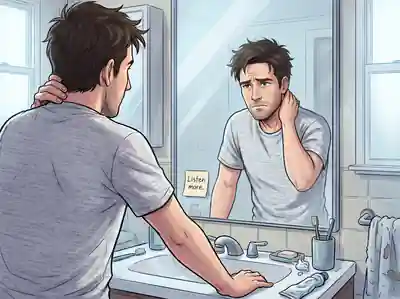
7 Things Couples Regret Ignoring In Marriage

- 1. They stopped being curious about each other
- 2. They kept postponing difficult conversations
- 3. They treated appreciation as something understood
- 4. They let affection become optional
- 5. They fought to win instead of trying to understand
- 6. They stopped making time for the marriage itself
- 7. They assumed love alone would fix everything
- What couples can change before regret sets in
- Frequently Asked Questions
- What do married couples regret most?
- Can a marriage recover after years of neglect?
- How do you prevent marriage regrets?
- Is it normal to feel disconnected from your spouse after many years?
7 Marriage Regrets Couples Often Have After Years Together
Some marriages don’t fall apart because of one terrible moment. They become strained by small things that keep getting postponed: an uncomfortable conversation, an apology never given, affection slowly disappearing, or two people assuming the other will always understand. Years later, couples may realize they were given plenty of chances to fix these things. They just didn’t recognize how much they mattered at the time.
Here are seven common regrets couples have about the things they ignored while their relationship still had room to grow.
1. They stopped being curious about each other
At the beginning of a relationship, you want to know everything. What makes your partner nervous? What are they proud of? What kind of life do they secretly hope to build? You ask questions because their inner world feels interesting to you.
After years together, that curiosity can fade. You already know their routines, favorite meals, family stories, and opinions about most things. Familiarity begins replacing discovery, and conversations turn into schedules, bills, responsibilities, and updates about the day.
The problem is that people keep changing. Someone who was confident in their twenties may become uncertain in their thirties. A partner who once wanted a quiet life might develop new ambitions. When you stop asking, you can accidentally become strangers who know each other’s habits but not each other’s feelings.
Make room for questions that have no practical purpose. Ask what has been on their mind lately, what they have been enjoying, or what they wish they had more time for. The answer might surprise you, even after a decade of marriage.
2. They kept postponing difficult conversations
Some couples are remarkably good at keeping the peace. They avoid discussing money, intimacy, resentment, family interference, or unequal responsibilities because they don’t want another argument. For a while, this can feel like maturity. Nobody raises their voice, and the house stays calm.
But unresolved issues rarely disappear just because nobody mentions them. They tend to leak into other parts of the relationship. A disagreement about spending may turn into criticism about irresponsibility. Frustration over housework can become a complaint that one person never cares. The original problem gets buried under several new ones.
This is one of the painful marriage regrets people may recognize too late: they were trying to protect the relationship from uncomfortable conversations, while those conversations were exactly what the relationship needed.
A difficult conversation handled with respect is often less damaging than years of resentment handled through silence.
Start with one issue rather than presenting a list of everything that has bothered you for months. Try saying, “I don’t want this to turn into a fight. I want us to understand why this keeps bothering me and figure out something that works for both of us.”
3. They treated appreciation as something understood
One partner makes dinner, handles an appointment, picks up the kids, pays a bill, or takes care of something that nobody else noticed needed doing. The other partner benefits, but says nothing. Eventually, both begin to assume these efforts are just part of life.
Being dependable is a beautiful thing in marriage, but being taken for granted can make even a loving person feel invisible. People don’t necessarily need applause for every task. They do need to feel that their effort is noticed and that they matter beyond what they provide.
Appreciation becomes especially important during demanding years when couples are managing work, children, aging parents, financial pressure, or health concerns. Affection can get buried beneath responsibility, leaving both people feeling like a team of employees running a household rather than partners who chose each other.
Notice the things your partner does without being asked. Say thank you for the ordinary effort. Tell them what it made easier for you. A specific acknowledgment often means more than a general “you’re amazing” because it shows you actually saw what happened.
4. They let affection become optional
Physical and emotional affection often changes as marriage moves through different stages. Busy schedules, stress, parenting, health, and exhaustion can make closeness less spontaneous. That change isn’t automatically a sign that love is gone.
However, some couples stop making any effort to be affectionate and quietly assume the other person should understand. They no longer hug when they pass each other, hold hands during a walk, flirt, sit close, or express tenderness without a practical reason. Months can pass with little warmth, and neither knows how to bring it back without feeling awkward.
Affection is not limited to sex, and it should never be used as an obligation or bargaining tool. It includes the small signals that say, “I still enjoy being close to you.” For some couples, this means a long hug. For others, it’s a playful compliment, a gentle touch on the shoulder, or making time to be alone together.
If closeness has become unfamiliar, start small and pay attention to what feels welcome to both of you. Sometimes the first step toward rebuilding intimacy is making the relationship feel friendly again.
5. They fought to win instead of trying to understand
When an argument starts, it can be tempting to focus on proving who is right. One person brings up an old mistake. The other remembers a different incident. Soon, the discussion has turned into a courtroom where both partners are collecting evidence, and nobody is listening to the original concern.
Winning the argument can provide a few minutes of satisfaction. It rarely provides the closeness that couples are hoping to restore afterward. Your partner may agree to end the discussion while feeling unheard, embarrassed, or less willing to be honest next time.
A healthier disagreement does not require you to abandon your position. It requires you to understand what the other person is trying to say before defending yourself. That difference can lower the tension enough for a real solution to become possible.
- Stay with the current issue instead of bringing in every past mistake.
- Explain the impact of what happened without attacking your partner’s character.
- Ask what they understood from the conversation before assuming they don’t care.
- Take a break if either person is too overwhelmed to speak respectfully, and agree on when to return to the discussion.
Two people can disagree about a decision and still treat each other with respect. That is a skill worth protecting long after the honeymoon phase is over.
6. They stopped making time for the marriage itself
Life can be demanding, and marriage often has to share attention with nearly everything else. Work deadlines, school pickups, family obligations, household repairs, social plans, and personal responsibilities can fill every available hour. Couples may spend plenty of time in the same house without spending much meaningful time together.
They sit through meals discussing what needs to be done tomorrow. They attend family events as a pair but rarely have a conversation that belongs only to them. Their calendar stays full, while the relationship gets whatever time is left over.
Connection doesn’t require expensive dates or a perfect weekend away. It requires moments when the two of you are not just solving problems. Take a walk without turning it into a planning meeting. Have breakfast together before the day gets busy. Find something enjoyable you can do regularly, even if it is only for half an hour.
The point is not to add another obligation to an already exhausted schedule. It is to remember that the marriage is part of the life you’re trying to build, not an arrangement that can survive indefinitely on leftover attention.
7. They assumed love alone would fix everything
Love can be sincere and still coexist with poor communication, mismatched expectations, financial stress, hurt feelings, and habits that make living together difficult. Couples sometimes believe that if they truly love each other, the rest will work itself out.
That belief can make them delay learning how to manage conflict, share responsibilities, respect boundaries, or talk honestly about their needs. They may also stay stuck in the same cycle because they believe the strength of their feelings should be enough to make the problem disappear.
Love gives a relationship a reason to keep trying. It doesn’t automatically give two people the skills to do that well. Those skills have to be learned, practiced, and sometimes rebuilt after years of doing things the same way.
If something has been hurting your relationship for a long time, don’t wait for a special occasion or a crisis to address it. Talk about what is happening now, agree on one change you can both realistically make, and see whether your actions begin matching your intentions.
What couples can change before regret sets in
You don’t need to fix seven things at once, and reading an article together doesn’t mean you have to agree with every point. Pick the one that feels most familiar in your marriage and start there.
- Talk about one issue you’ve both been avoiding, without trying to solve every past disagreement.
- Choose one small way to bring appreciation or affection back into your daily routine.
- Set aside time to talk about something other than responsibilities.
- Pay attention to whether both partners are making an effort, rather than relying on promises alone.
Change is easier when it is specific. “We need to be better” is a vague promise. “Let’s sit together for twenty minutes after dinner three nights this week” is something two people can actually try.
Frequently Asked Questions
What do married couples regret most?
Many couples regret letting emotional distance, unresolved resentment, poor communication, and lack of appreciation build over time. The regret often comes from realizing the problem was visible much earlier, but neither partner knew how to address it or made it a priority.
Can a marriage recover after years of neglect?
Yes, some marriages rebuild closeness after long periods of neglect, especially when both partners are willing to take responsibility and make consistent changes. The process can take time, and in some situations, support from a qualified couples therapist can help them move beyond old patterns.
How do you prevent marriage regrets?
Stay curious about your partner, discuss uncomfortable issues respectfully, express appreciation, protect time together, and address repeated problems before they become normal. Small, consistent efforts are often more useful than waiting for a major romantic gesture or a dramatic turning point.
Is it normal to feel disconnected from your spouse after many years?
Feeling disconnected can happen during stressful periods of marriage, especially when responsibilities take over. It doesn’t automatically mean the relationship is over. The important thing is whether both people recognize the distance and are willing to make meaningful efforts to reconnect.
Marriage regrets often begin as little things neither person considers urgent. A conversation delayed, a thank-you left unsaid, a moment of affection skipped because tomorrow seems less busy. Tomorrow has a habit of becoming next month. You don’t need a perfect marriage, but you do need to keep treating the person beside you as someone worth knowing, listening to, and choosing in the ordinary parts of life.