What are the signs of burnout versus marriage unhappiness

- Where the tiredness points
- What burnout vs unhappy marriage looks like at home
- Run a two-week test before you decide anything
- “I’m rested, and I still don’t want to go home”
- When both are true at once
- Words you can use with your spouse
- Frequently Asked Questions
- Can burnout make you feel like you don’t love your spouse?
- Is it normal to feel relieved when your spouse is away?
- Should I see a therapist alone or with my spouse?
Burnout vs Unhappy Marriage: How to Tell Which It Is
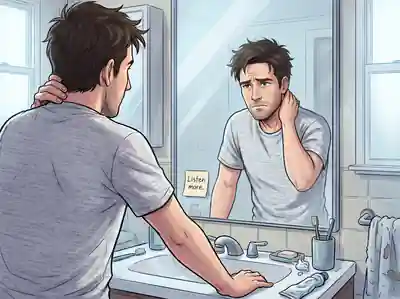
A project manager laughs while telling a friend that she felt relieved when her husband’s work trip got extended. Then the laugh stops, because she isn’t sure what the relief means.
Burnout vs unhappy marriage comes down to scope. Burnout drains you everywhere, including work, friendships and things you once enjoyed, and it eases when pressure lifts. Marriage unhappiness stays tied to your partner and keeps hurting even when you are rested. Many people have both at once, which is why it feels so confusing.
Where the tiredness points
Long stretches of stress without real recovery produce burnout, and it is most often tied to work or caregiving. The signs of burnout tend to spread: emotional exhaustion, a flat or cynical attitude toward things that used to matter, and a sense that nothing you do makes a difference. Because it is about load, it shows up in every room you walk into.
Marriage unhappiness has a different address. The heaviness gathers around one person and a few unresolved things: the conversation that never finishes, the feeling of being unseen, the loneliness of sitting next to someone and still missing them. A tired person can still feel warmth toward a spouse. An unhappy person often can’t, even after a full night of sleep.
Proximity explains most of the mix-ups. Home is where the armor comes off, so your spouse receives the irritability that built up all day, and when you are emotionally drained they become the easiest target and the easiest explanation. It also runs the other way. Months of swallowed resentment at home are tiring in their own right, and from the inside that can pass for burnout.
So the better first question is where the dread actually lives. If it appears at the thought of work, at a friend’s invitation and at the sight of an overflowing laundry basket, that is a wide signal. If it sharpens only when the person you married walks in, that is a narrow one.
What burnout vs unhappy marriage looks like at home
Moods are easy to misread when you are worn out, so behavior is the better evidence. Start with the patterns that lean toward burnout.
- You are short with coworkers, friends and strangers, not only with your spouse.
- Hobbies that have nothing to do with your marriage have started to feel like chores.
- When you daydream about escape, it is escape from obligations (a cabin, a week without a phone), and your partner is not the thing you are leaving behind.
- After a few days of real rest, your mood and your warmth begin to return.
- You feel guilty about how you treat your spouse and wish you had more to give.
The next set leans toward marriage unhappiness.
- The dread appears around your spouse specifically, even in weeks when work is calm.
- You feel lonely in the same room with them, and being rested doesn’t change it.
- You replay the same unresolved issue, or you have stopped raising it because it never goes anywhere.
- When you picture a better life, a different partner or no partner is part of the picture.
- You feel smaller, or less like yourself, around them than you do around other people.
Most people will see themselves in both lists, and that is normal. What matters is which list is longer and which items stay true after you have rested. One pattern deserves extra attention. The researcher John Gottman has described contempt, the eye-rolling kind of disgust toward a spouse, as one of the most damaging habits in a marriage. Irritability fades with sleep. Contempt tends to stay.
That project manager’s relief is a good example of an ambiguous clue. Relief at a spouse’s absence can mean “I get a break from being needed,” which points to burnout, or “I get a break from being with them,” which points the other way. The difference shows up in what you do with the freedom. Burned-out people mostly sleep and sit in silence. People who are unhappy often feel lighter, more like themselves, and then dread the return date.
Run a two-week test before you decide anything
Big decisions made while exhausted are unreliable, because everything looks gray when you are running on fumes. A short experiment gives you cleaner information.
- Each evening, jot down two numbers from 1 to 10: your energy, and how warm you feel toward your spouse. It takes thirty seconds.
- Protect one stretch of real rest, even a long weekend, with no work messages and no catching up on chores.
- During that stretch, spend time on something unrelated to your marriage, like a friend, a long walk or a hobby you’ve neglected, and watch whether your energy responds.
- Spend one ordinary hour with your spouse with no big talk planned, and notice what you feel when you aren’t wrecked.
- At the end of two weeks, compare the two lines of numbers.
If energy climbs and warmth climbs with it, burnout was doing most of the damage. If energy climbs and warmth stays flat, the tiredness was covering something rest can’t repair. If neither moves, two weeks may be too short, or something else is going on. Low mood and depression can look a lot like burnout, and a doctor or counselor can tell them apart in a way a notebook can’t.
“I’m rested, and I still don’t want to go home”
That sentence usually marks the point where the question changes. If you have had real rest, your workload is manageable and you still feel disconnected from your spouse, treat it as information about the marriage rather than a mood to wait out.
A decision rule helps here. If the feeling has stayed after about a month of lighter load, and you can name specific causes, such as a pattern of dismissiveness, a broken promise or a long gap in affection, you are probably unhappy in your marriage and it needs to be addressed directly. If all you can name is a vague heaviness, keep treating it as exhaustion first.
The test has limits. It assumes you can get a break, and many people can’t: new parents, people caring for a sick relative, anyone holding two jobs. For them, rest is not on offer, so the experiment will mostly show tiredness. Compare moments instead of weeks. Notice how you feel in the ten minutes after a small, real escape, like a walk alone or a shower with the door locked. Warmth that flickers back in those minutes is a good sign.
One exception stands apart from everything above. If your spouse belittles you, controls your money or your movements, threatens you, or leaves you afraid, this is not a burnout question and rest will not answer it. Talk to someone you trust, or to a counselor or advocate who works with relationship harm, and do it soon.
When both are true at once
Real life rarely hands over a clean answer. Chronic stress makes people less patient, less curious and less generous, which are the exact things a marriage runs on. The small repairs stop: the check-in text, the “how did it go?”, the hand on a shoulder. Your spouse, getting less, pulls back or pushes harder. Now the marriage is under strain, which adds to the stress, and the loop tightens. In this case burnout vs unhappy marriage is not an either/or question, because each one is feeding the other.
When both are in play, order matters. Lighten the load first, since it is the part you can change fastest and it gives you cleaner readings on everything else. Repair the small things at the same time, because a marriage recovers from a bad season far more easily than from a long stretch of neglect. Then reassess.
Check on your spouse too. A partner who seems distant may be burned out as well, and two exhausted people often read each other’s flatness as rejection. Before deciding that someone has stopped caring, ask whether they have anything left to care with. That is a hypothesis to test, not a promise about how they feel.
Words you can use with your spouse
The hardest part is saying something true before you know the answer. This wording works whichever way it turns out:
“I’ve been running on empty for a while, and I can’t tell yet how much of it is work and how much is us. I don’t want to guess out loud and hurt you. Can we set aside an hour this weekend so I can tell you what I’m noticing, and you can tell me what you’ve been feeling?”
That wording puts the uncertainty on the table without blaming anyone, and it asks for time instead of an instant reaction. What usually comes back is a mix of relief and defensiveness. Some partners say they have felt the distance too. Others hear the word “us” and brace. If that happens, you can add, “I’m not accusing you of anything. I’m trying to work out what’s mine to fix.” Nothing is guaranteed, but a conversation that starts with curiosity has better odds than one that starts in the middle of an argument.
If a conversation with your spouse feels out of reach right now, talk to someone else first, whether that is a friend you trust or a counselor. A counselor can help sort out burnout vs unhappy marriage, along with low mood that imitates both.
Frequently Asked Questions
Can burnout make you feel like you don’t love your spouse?
Yes, burnout can flatten affection toward anyone, including a spouse you love. When you are running on empty, warmth feels like one more task. The test is whether the feeling softens with rest and time together, or stays cold even when you are well. If it stays, treat it as a marriage question.
Is it normal to feel relieved when your spouse is away?
It is common, and by itself it doesn’t mean the marriage is failing. Many people feel relief because they get a break from being needed. It becomes more telling when the relief is aimed at the person, or when you dread their return even after you have rested.
Should I see a therapist alone or with my spouse?
Start alone if you are unsure what you feel, and go together if you already know you want to work on the marriage. A solo session can sort out burnout, low mood and marriage doubts without pressure. Couples counseling tends to go better once you can describe what you want.