Love After The Honeymoon Phase: Why It Feels Different
In the beginning, you could not stop texting. You thought about each other all day. A look across a room could light up your whole body.
Now, you are comfortable. You can sit in silence for an hour. And a small, scared voice asks: has the love gone?
It has not. It has changed shape, and the change is part of the design.
Two Kinds Of Love
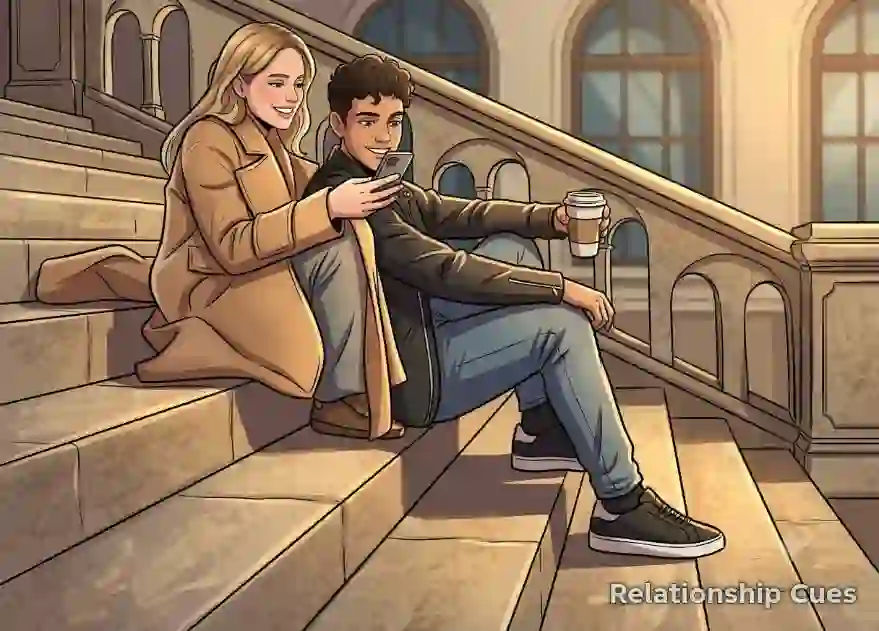
Psychologists describe two broad types. Passionate love is the intense, exciting, obsessive kind, full of longing and novelty. Companionate love is calmer. It is made of trust, affection, shared history and deep familiarity.
Passionate love is powered partly by newness and uncertainty. These cannot last forever, because as you get to know someone, there is less to discover and less to fear. That is why the early rush naturally fades, usually within the first year or two.
What You May Be Mourning
- The thrill of not knowing what happens next.
- The feeling of being new and interesting to each other.
- The lightness of having few responsibilities.
- The version of yourself who was swept away.
Grief for these things is real, and it is okay to feel it. You are not ungrateful. You are noticing a change.
What Grows In Its Place
The same time that quiets the rush also builds something else. You learn how your partner handles stress. You see them at their worst and stay. You develop shared jokes, quiet rituals and a deep sense of being known.
It is less dramatic, but it is stronger. A fire burns bright and fast. Warmth that lasts through winter is a different kind of strength.
A Conversation Many Couples Have
Anushka told her husband Aryan, “I miss how we used to be. We could not stop texting.”
Aryan: “We still talk.”
Anushka: “It is not the same. It used to feel exciting.”
Aryan: “So you are saying this is boring?”
Anushka paused. “No. I think I miss feeling nervous around you.”
That honest answer opened a new conversation. They were not in trouble. They were missing the spark of newness, and they could create some of it again on purpose.
Pawan’s Core Truth: The honeymoon does not end because love died. It ends because love moved in.
The Uncomfortable Truth
If you keep measuring love by the intensity of the first six months, every real relationship will lose.
You are comparing a chemical sprint to a long walk. No one can sustain that early high for decades. People who keep chasing it often leave good relationships when the rush fades, looking for the next one, and then the next. Each time, the same pattern repeats.
At the same time, it is not always just a natural fade. Sometimes, the loss of excitement is a sign of real disconnection. The way to tell the difference is to ask: do I still feel safe with this person? Do I feel seen? Do I feel respected? If the answer is yes, you are probably in the quiet stage of a healthy relationship. If not, the issue is deeper than the honeymoon.
How To Keep Love Alive After The Rush
1. Create small rituals. A morning coffee together. A walk after dinner. A weekly movie. Rituals give your connection a rhythm that does not depend on mood.
2. Add novelty on purpose. Try something neither of you has done before. A new place, a class, an odd restaurant. Shared new experiences bring back some of the early excitement, because your brain links the thrill to your partner.
3. Stay curious. You do not know everything about this person. Ask questions you have never asked. “What is something you are afraid of right now?” Some of the best conversations come after the tenth year.
4. Say the appreciation out loud. Early love is full of compliments. Later love often goes quiet. Bring them back. “I like how you handled that.” “I am glad it is you.”
5. Plan a monthly first-date evening. Dress up, leave the house, no talk about chores or children. Treat each other like people you are still choosing.
The Role Of Shared Meaning
Another thing that grows after the honeymoon is a sense of shared meaning. You begin to build a story together: the homes you have lived in, the hard seasons you survived, the jokes only the two of you understand.
This kind of bond is not exciting in a flashy way, but it carries its own deep comfort. It tells you, without words, that you are not facing life alone.
Try to speak about it. At dinner, ask, “What is one memory of us you love?” You may be surprised by the answers. Remembering together is a way of reminding yourselves how much you have already built.
When the excitement is quiet, the meaning is often loud, if you stop to listen.
A Different Way To See It
The first stage of love is a gift. The second is a choice. And choosing someone every day, when it is no longer easy, is a deeper act than falling ever was.
The sparks will come and go. What stays is what you build between them.


Leave a Reply