
What could be causing me to feel nervous about meeting
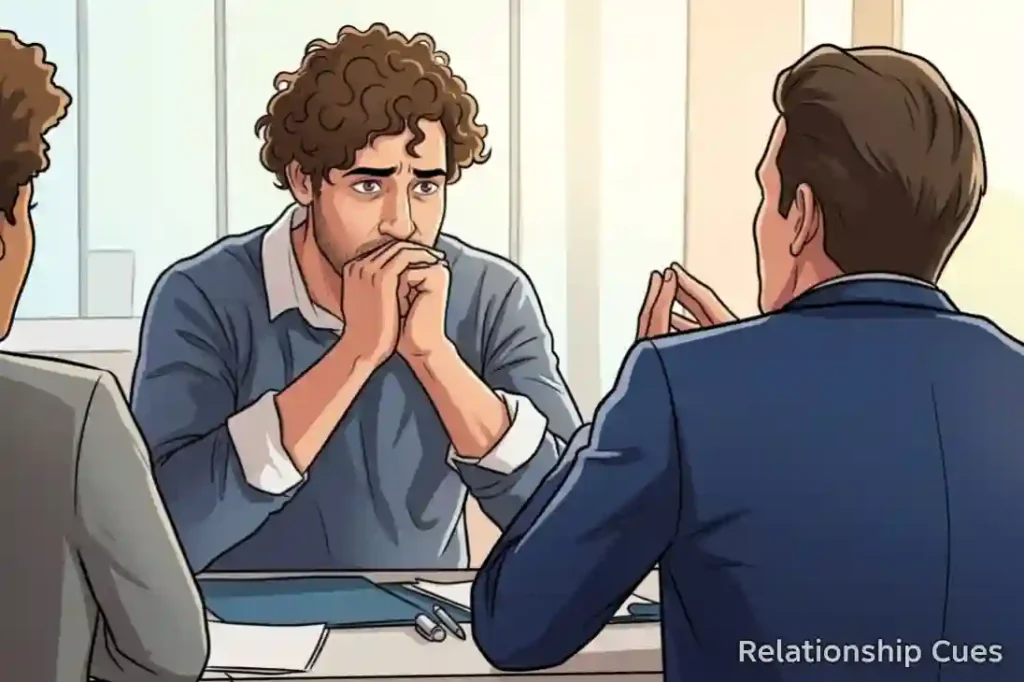
- Is it normal to be nervous about meeting someone?
- The spotlight that isn’t really there
- Too much is riding on one meeting
- The unknown does half the work
- The person is new, but the fear may be old
- When the nerves are carrying information
- Do this in the hour before you go
- “I’m a little nervous, so bear with me”
- Frequently Asked Questions
- Why do I feel sick before meeting someone new?
- Should I tell someone I’m nervous before meeting them?
- How long does feeling nervous about meeting someone last?
Nervous About Meeting Someone? What Usually Causes It
A person changes shirts three times, then reaches the park entrance forty minutes early and walks the block twice so it won’t look like they got there first.
Feeling nervous about meeting someone usually traces back to a few overlapping causes: fear of being judged, too much hope attached to one meeting, not knowing what will happen, and old experiences the body remembers. Knowing which one is yours tells you what to change, and most of them respond to small, practical adjustments.

Is it normal to be nervous about meeting someone?
Yes, and it is far more common than it looks from the inside. Meeting a new person asks your brain to predict someone it has no data on, and a brain without data prepares for the worst. The pulse climbs, the stomach tightens, the mouth goes dry. That is a body getting ready for something that matters.
Most advice skips one detail. The physical signs of nerves and the physical signs of excitement are almost the same: a fast heartbeat, sharp senses, a buzzing in the chest. The body doesn’t label the feeling, the mind does, and the mind often picks the scarier label. Psychologists call this misattribution of arousal, which means mislabeling a revved-up body as danger when it could just as easily be anticipation.
This is why “calm down” so rarely works. The body is already running hot, and an order to switch off feels like losing a fight with yourself. “I’m excited” is easier to believe, because it uses the energy instead of arguing with it.
A common misreading follows from all this. Plenty of people take strong nerves as proof that the meeting is a mistake, or that they must like the person “too much.” Nerves measure how much the meeting matters to you. They say very little about whether the match is right.
The spotlight that isn’t really there
The most common driver is fear of being evaluated. Before a first meeting, the mind runs an audition: Will my laugh sound strange? Will I run out of things to say? Will they see through the confident version I planned?
The habit behind this has a name, the spotlight effect, which is the tendency to overestimate how closely other people watch and judge us. The other person is usually busy with a spotlight of their own. They are checking their shirt, wondering if they’ll be interesting enough, hoping you’ll like them. Two people each worried about being observed end up observing very little.
The shift that helps is to point your attention outward. Nerves feed on self-monitoring, so give your mind a job that isn’t about you. Pick one thing you’re curious about before you arrive: what they meant by that odd comment about their job, or why they chose this particular place. A question you actually want answered quiets the inner critic better than any pep talk.
Too much is riding on one meeting
Sometimes the nerves have little to do with the person and a lot to do with what has been loaded onto the hour. A first date after a long single stretch, a video call with a relative you’ve never met, a friend from an online group you finally get to hug at the airport: each carries a hope. If you’re nervous about meeting someone you have waited years to meet, this is usually why. The bigger the hope, the louder the body gets.
Take a man in his fifties, newly divorced, on his way to meet a match from a dating app. He is meeting one person and also testing whether he can still be liked at all. No wonder his hands are cold.
Stakes pile up without announcing themselves, so name them. Ask what the meeting is secretly being asked to prove, then hand that job back. One meeting can only answer a small question: do these two people enjoy each other’s company for an hour?
A decision rule helps here. If you catch yourself planning a future with someone you haven’t met, or already mourning a rejection that hasn’t happened, the stakes are too high. Shrink the goal to learning one true thing about them. Nerves are what caring feels like before it has anywhere to go, and a smaller goal gives it somewhere.
The unknown does half the work
People tolerate bad news better than no news. Not knowing how the conversation will start, how long it will last or how it will end keeps the mind running scenarios, and it never runs the pleasant ones first.
Give the meeting a shape. Settle the place, a rough length and a first topic ahead of time. Choose an activity with something to look at, like a walk, a market or an exhibit, so silence has somewhere to land. If you’re meeting a partner’s parents, ask who will be there and what the plan is. Details won’t erase nerves, but they remove the blank space nerves like to fill.
Keep a small exit line ready too, something like “I have to be somewhere at six, so I’ve got about two hours.” Knowing you can leave gracefully makes it much easier to stay.
The person is new, but the fear may be old
When the nerves feel out of proportion, check whether they belong to someone else. A bad breakup, a friend who vanished, a childhood of being picked last: the body files these away and replays them when a similar moment comes. Attachment anxiety, a pattern of expecting closeness to end in being left, can turn an ordinary hello into a rehearsal for an old hurt.
Try asking what exactly you’re afraid will happen. If the answer is specific to this person, such as “they seem very put together,” the nerves are about the present. If it sounds like a line someone once said to you, such as “I’ll be too much, again,” the fear has history. Say that out loud, even only to yourself: “This is about before, and this is a new person.” The sentence moves more weight than it seems it should.
Avoidance deserves a mention, because it has a cost. Canceling brings instant relief, and relief teaches the brain that meeting people was dangerous, so the next round of nerves arrives bigger. If the fear keeps you canceling or avoiding people altogether, a therapist can work on it directly, the way a coach works on a stubborn habit.
When the nerves are carrying information
Most pre-meeting nerves are harmless. A few are not. Anxiety is vague and buzzing, with no particular target. A warning has a reason you can point to. “What if I say something dumb?” is anxiety. “They keep changing the plan at the last minute, won’t do a video call, and asked me to tell nobody we’re meeting” is information.
This matters most when you’re meeting someone you’ve only known online. Choose a public place, tell a friend where you’ll be and when you’ll check in, and arrange your own ride home. These steps can feel dramatic until you notice they also calm the anxious part, since the worst cases are already covered.
If a concern like that is still true after you’ve asked the person about it directly, and the answers dodge instead of explain, treat that as your answer and skip the meeting. Declining doesn’t need a long explanation or an apology.
Do this in the hour before you go
None of this needs to be elaborate. This order works for most first meetings.
- Name the cause in one sentence, such as “I’m worried they’ll find me boring” or “I’m afraid this will go like last time.” A named fear takes up less room than a vague one.
- Write down what a good outcome looks like, and keep it small: one real conversation, one laugh, one thing learned about them.
- Breathe out longer than you breathe in for about two minutes. A slow exhale tells the body it can lower the alarm. Four counts in and six or seven out works for most people.
- Arrive a few minutes early, not forty. Long waits just give the mind more time to rehearse.
- Pick your first question and a backup, so the opening seconds are already handled.
Food and caffeine matter more than people expect. An empty stomach and a third coffee can make ordinary nerves feel like panic, so eat something light and keep the coffee to one.
“I’m a little nervous, so bear with me”
Saying it aloud is the move people avoid most and the one that works best. A confessed nerve stops being a secret to manage, and it is often a relief to the other person, who is usually carrying the same secret.
Keep it light and brief, then move on to a question:
“I’m a little nervous, honestly. I wanted to make a good first impression, so I over-prepared. Anyway, what was the best part of your week?”
Say it once. Dwelling on it turns the admission into a request for reassurance. The reply also tells you something useful. If they answer with warmth (“Same, I almost canceled twice”), you’ve both just relaxed. If they brush it aside or turn cold, you’ve learned early how they handle a small moment of honesty.
If the nerves flare again mid-conversation, ask a question and let them talk for a minute. Listening is the fastest way to cool down while staying present.
Frequently Asked Questions
Why do I feel sick before meeting someone new?
Nerves set off the body’s stress response, which can upset the stomach, shake the hands and dry the mouth, so feeling sick is common. Eating something light, breathing out slowly and skipping extra caffeine usually help. If the symptoms are severe or appear before every social event, a doctor or therapist can help.
Should I tell someone I’m nervous before meeting them?
Yes, a brief and light mention usually helps, especially early in the meeting. Say it once, in a sentence, then move to a question. A short admission lowers pressure for both of you, while a long one turns into a request for reassurance that the other person has to manage.
How long does feeling nervous about meeting someone last?
For most people the worst of it eases within the first ten to fifteen minutes, once there is a real conversation to respond to. Some stay slightly alert all evening, which is normal. If the nerves climb as the meeting goes on instead of easing, pay attention to what is causing them.




1 comment