Retirement And Marriage: Learning To Share Every Day
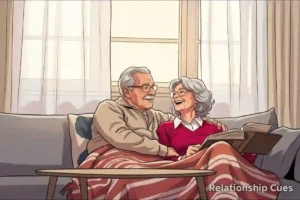
For decades, the morning went one way. He left for work. She ran the home. In the evening, they met, shared a meal and talked about the day.
Then retirement arrived. Now he is at home at ten in the morning, offering opinions on how the kitchen is arranged. And she is quietly wondering where her day went.
Many couples expect retirement to be a long, happy rest. For many, the first year is a surprise.
Why It Is Harder Than It Sounds
Retirement changes far more than your schedule. It reshapes how you spend your time, what gives you purpose and how much space each partner has. After years of a clear rhythm, two people suddenly share every hour.
- Loss of identity. For many people, work was more than income. It gave status, structure and friendship. Without it, a person can feel unsure of who they are.
- Too much togetherness. Constant company can feel stifling for both.
- Territory. The partner who ran the home may feel invaded by the retiree’s new involvement.
- Different expectations. One may dream of travel and activity, the other of rest.
- Social shrinkage. Work friends drift away, leaving the spouse as the main companion.
- Money concerns. A fixed income can bring new worries and disagreements.
A Typical Story
Prakash retired after thirty-five years in a bank. For the first months, he enjoyed sleeping late. Then boredom set in. He began reorganizing the pantry and commenting on his wife’s cooking.
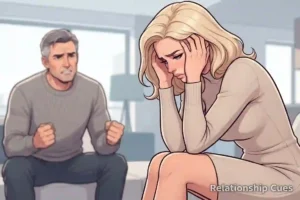
Usha: “I have run this kitchen for thirty years.”
Prakash: “I am only trying to help.”
Usha: “I need you to find something else to do.”
Prakash went quiet. He was hurt, though he did not say so. For the first time in his adult life, he did not feel needed, and the one place he could contribute was being closed to him.
Pawan’s Core Truth: When work ends, the need to matter does not. It finds the nearest door, and often that door is the spouse’s.
The Uncomfortable Truth
Work used to act as a buffer. It gave each person hours of independent life, new things to talk about and a sense of purpose. When it vanishes, all the unspoken differences between the couple come into view.
The retiree’s loss of purpose can land on the spouse, who is then expected to fill the gap. The spouse, who had built a full routine, may feel crowded. Both are experiencing a loss, but in different ways, and often neither says so.
It is also true that retirement is not only a change for the one who stops working. The partner who stays at home, or who is still working, must adjust too. It is a change for the marriage as a whole.
How To Build A Shared Rhythm
1. Talk before it happens, or soon after. What do each of you hope for? Rest, travel, hobbies, grandchildren, service? Write your visions and compare them. Differences are easier to handle when they are named early.
2. Protect separate time. A few hours a day apart, doing your own things, is healthy. A walk, a club, a friend, a hobby. Do not treat it as rejection.
3. Divide the household clearly. Agree on who does what, so that help does not become interference. The retiree might take over specific tasks entirely, such as shopping or the garden, and leave the rest.
4. Find a new purpose. Volunteering, teaching, a part-time project, learning a new skill. A sense of usefulness reduces the pressure on the marriage.
5. Keep your social life alive. Meet old friends, join groups and make new ones. A wider circle spreads the emotional load.
6. Plan shared pleasures. Short trips, walks, weekly dinners, a joint project. Give yourselves things to look forward to together.
7. Look after your health. Regular exercise and checkups matter. Poor health can add stress to the relationship, and good health makes the new life easier to enjoy.
8. Review after six months. Sit down and ask: what is working? What is not? What do we want to change? Adjustment takes time, and a review keeps you flexible.
Roles In An Indian Home
In many Indian families, retirement also brings new roles, such as caring for grandchildren or supporting adult children. These can be joyful, but they can also stretch a couple thin. Talk about how much you are willing to give and where you need rest. Saying yes to everything can leave little room for each other.
When It Gets Hard
If irritation turns into constant conflict, or one of you seems low, withdrawn or hopeless, it may be more than adjustment. Retirement can bring depression, especially for those who lose a sense of purpose. A doctor or counselor can help, and couples therapy is not only for young couples.
A Second Honeymoon, Of A Kind
Many couples find that after the first year of friction, retirement becomes one of the closest periods of their marriage. They have time to talk, to travel, to rediscover shared humor and to enjoy each other without the pressure of work and young children.
It takes some planning, some patience and a willingness to say what you need. But the reward is a companion who knows you well and chooses to spend the days with you.
Pawan’s Core Truth: The best retirement is not the one where two people finally have time. It is the one where they use it to meet each other again.



[…] 4. Start something new. A course, a project, travel, a skill, a creative hobby. Growth that is truly yours often reduces the pressure on the marriage. […]